
Light notes
Warehouse Pace
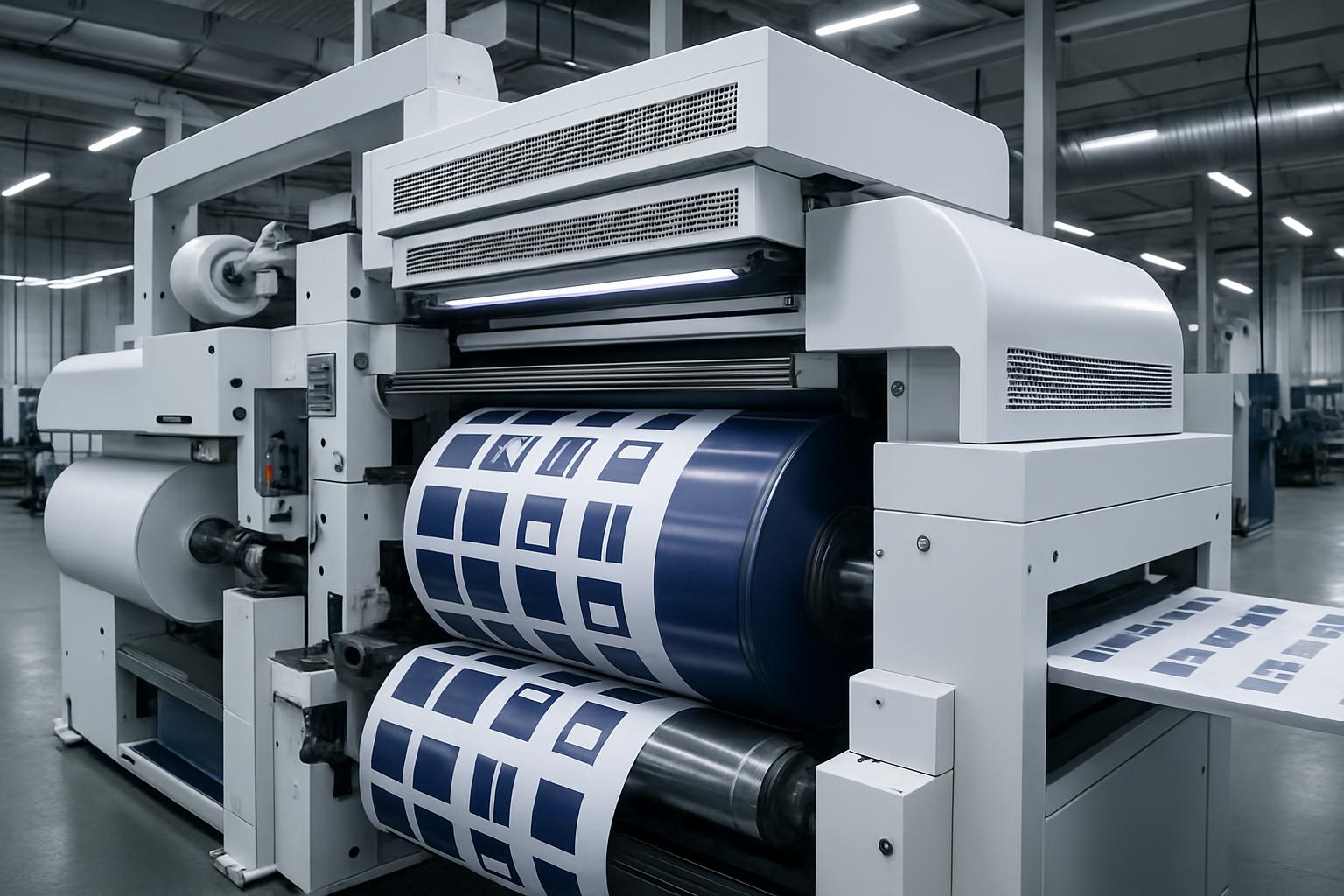
A practical note on workshop flow when lightboxes, fabric skins and courier collections all land on the same morning.
Workshop flow affects finish quality. When prints, frames, and hardware are staged in the right order, packing is cleaner and site kits are easier to check. Warehouse Pace looks at practical preparation for LED lightboxes going to retail stores, malls, and expos.
Warehouse Pace is less about wording and more about order on the bench. When LED profiles, printed skins and courier bags arrive together, the workshop needs clear staging so completed kits do not mix with loose components.
Dispatch checks for busy mornings
- Courier collection slot marked on cartons
- One packing photo taken before boxes are sealed
- Print size and frame code matched
- Store or stand name written consistently
The useful part is knowing what gets packed first, what stays open for final checks, and what must be labelled before collection. That matters when retail replacements and expo builds are moving out on the same day.
How Warehouse Pace affects packed LED frame dispatches
Warehouse Pace is about keeping the workshop moving when frames, graphics, and courier collections all hit on the same morning. For LED Lightbox work, the priority is to separate completed units, staged skins, and outgoing jobs so retail and expo orders leave in the right sequence.
Begin with the job split between assembled frames, spare skins and loose hardware. Johannesburg dispatch pressure, Durban humidity and Cape Town line-haul timing each change how long a lightbox job can stay open on the packing table. On mall work and exhibition stands, power leads, feet, hanging points and printed graphics should be staged as one set before the courier arrives.
A quick image of the first packed unit helps more than another message thread. It records orientation, fabric fold method and the accessory count while the bench layout is still visible. Later on, that reference is useful when a store refit or re-install calls for the same LED frame kit.
What leaves the workshop together
The result should be a dispatch that reads clearly at receiving. Cartons, skins, connectors and install notes need to point to one frame size and one destination without guesswork. For retail and expo work, a tidy kit usually prevents missing parts from surfacing only once the team is on site.
Use Warehouse Pace with the related install and product notes when you are checking a job pack. Before collection, compare the frame count against the print count, then check power components and labels one more time. Lightbox quotes are built from the wall size, the frame depth and whether the unit is single or double sided.
- Packed kit matched to actual site use
- First carton checked before courier handover
- Job details kept in one thread
Dispatch realities across South Africa
Planning often works around OR Tambo freight timings, Sunnyrock collections and access rules at regional malls. Some sites in Gauteng and KZN are receiving replacement graphics only, while others need complete LED frames with drivers and cables. Existing stock on the shelf should be separated from current orders so a fast dispatch does not pull parts from the wrong project.
In Durban and other coastal areas, salt in the air means profiles, connectors, and printed fabric need more frequent wipe-downs before packing. Inland jobs around Johannesburg pick up workshop dust faster, so diffusers and silicone edges should be checked again before skins are bagged. During load-shedding, final illumination checks must be timed around available power, especially when several LED frames are queued for dispatch.
Operated by Astros Marketing (Pty) Ltd from 2 Makro Place, Sunnyrock 1401.
Notes worth recording on the day
A practical note on workshop flow when lightboxes, fabric skins and courier collections all land on the same morning.
Record ceiling-hang points, frame quantities, and courier labels while the workshop team is still building the site kits. That note helps when retail stores, mall contractors, or expo crews ask which skin matches which frame on arrival. Keep it with the project file so packing, dispatch, and installation all refer to the same information.