
Installs
Training First
A practical route that begins with installer training in South Africa, for teams who want fitting and graphic changes done correctly.
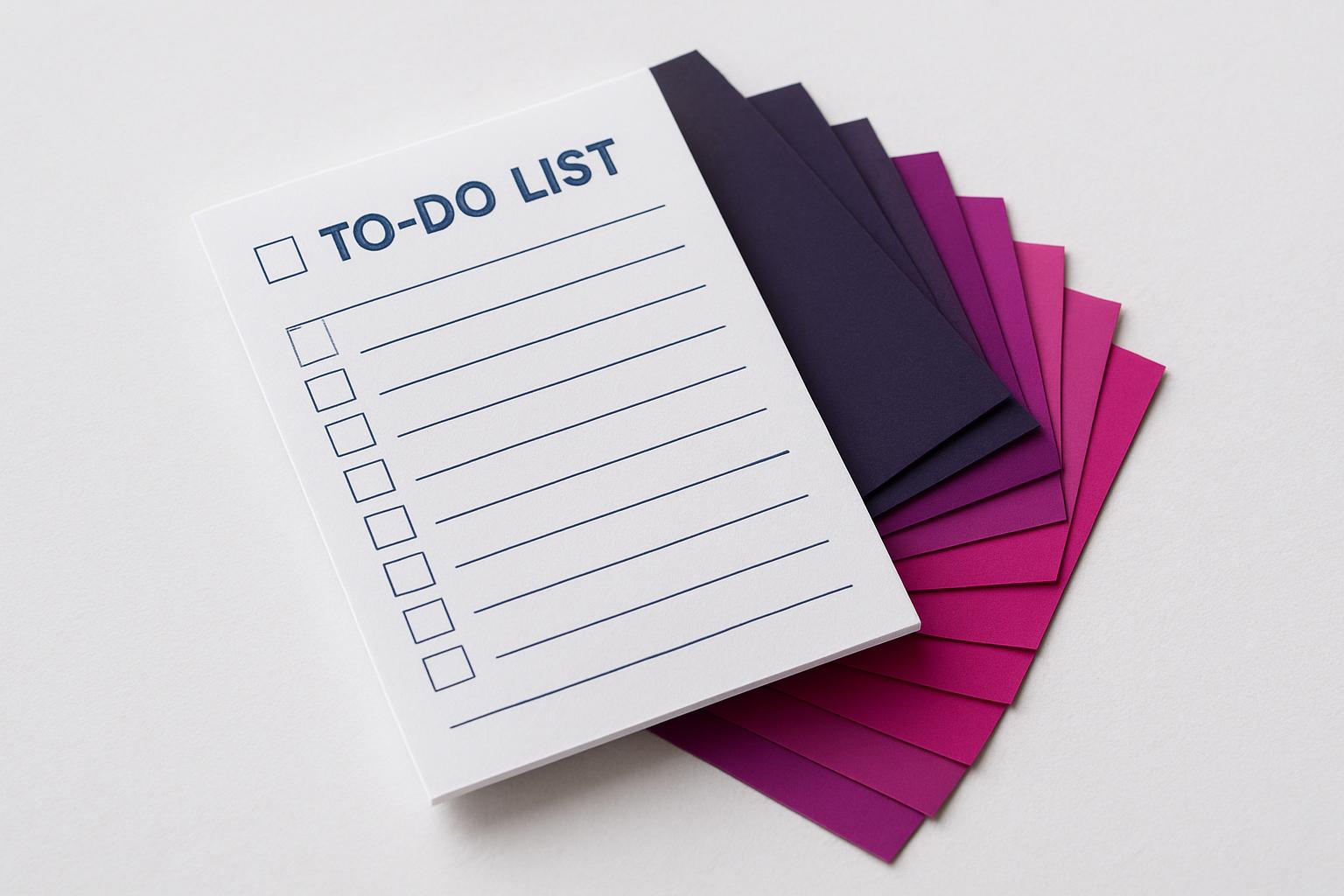
How Training First fits the week
Training First is for teams that want the fitting method understood before the first LED fabric frame goes to site. It covers assembly, powering, fabric tensioning, and graphic changes so store or expo staff handle the system correctly.
Training First starts with the exact frame system going to site, the printed fabric size, and where power enters the display. Sessions cover wall-mounted lightboxes, freestanding units, and hanging frames used in retail stores, mall promos, and expo builds. Johannesburg dust, coastal air in Durban and Cape Town, and load-shedding routines are built into the checks staff are taught to follow.
The first reference photo matters because it shows cable routes, profile joins, and the correct graphic orientation before the unit is handled by store or stand staff. Teams are shown how to keep a simple fitting note at the display area or with the job record for later graphic swaps. That small record helps when a replacement print arrives and nobody on site packed the original frame layout drawing.
Training outcomes on site
Staff leave with a fitting sequence, a power-up check, and a graphic change method that suits the actual frame on the project. Training covers corner alignment, fabric insertion, tension across the face, and safe handling of LED components during pack-up and re-use. The aim is to reduce avoidable damage during routine installs, takedowns, and print updates.
Before training is booked, gather the frame sizes, venue rules, and install height. If your team will use the contact form, include whether the session is for retail staff, expo crews, or both, and note any recurring fitting errors with the current displays. It also helps to mention if the site includes suspended frames, double-sided units, or restricted access periods.
- Frame assembly steps for your display type
- Graphic tension checks at each corner
- Power and packing checks for handover
South African fitting conditions covered
Training takes account of freight timing through OR Tambo, dispatch planning from Sunnyrock, and access rules at busy regional malls and expo venues. Many sites are not blank spaces, so teams are shown how to work around existing shopfitting, older wiring points, and previously installed frames. Where a rollout includes both urgent illuminated displays and standard replacements, the handling sequence is explained separately.
Coastal moisture changes how aluminium profiles, connectors, and printed fabric should be stored between uses. Inland installations pick up more dust, so cleaning methods for diffusers and frame channels are part of the session. Load-shedding also affects testing, which is why teams are taught what to inspect before power is available and what must be checked once the lights are on.
Operated by Astros Marketing (Pty) Ltd from 2 Makro Place, Sunnyrock 1401.
What to send before training
Provide venue photos, team numbers, frame types, and the main fitting problems that need attention during the session. It helps to include whether the group will handle first installs only, or later graphic changes and repacks as well. If hanging frames are involved, note the suspension method and the available working height.
Keep the install record while the layout, cable path, and print orientation are still fresh in the crew's mind. That record should sit with the project file so the next graphic order matches the frame in use. For retail chains and travelling expo kits, this avoids confusion when units move between branches or events.
What our LED Lightbox customers say
Verified Google reviews